Your whole house HVAC system is responsible for maintaining a comfortable indoor environment regardless of changing outdoor temperatures. Whether you rely on it to keep your home cool during Southern California summers or warm during cooler months, you expect dependable performance every day. Over time, however, even well-maintained systems begin to lose efficiency and struggle to meet your household’s demands. Because these changes often happen gradually, you may not immediately recognize the warning signs. Many homeowners assume occasional discomfort is normal, but recurring issues can indicate that your HVAC system is no longer operating as effectively as it once did. As your home ages, your comfort needs may also change due to renovations, additional living space, or increased occupancy. When your heating and cooling equipment can no longer meet those demands, it can affect comfort, energy consumption, and indoor air quality. Recognizing the early indicators can help you determine when it may be time to consider an HVAC upgrade that better supports your home’s needs.
Uneven Temperatures Are Becoming More Noticeable
One of the most common signs that your whole house HVAC system is struggling is inconsistent temperatures from room to room. You may find that certain areas of your home feel comfortable while others remain noticeably warmer or cooler. This issue can become especially frustrating when family members adjust the thermostat frequently in an attempt to achieve consistent comfort throughout the house. While minor temperature differences can occur in any home, significant variations often point to an HVAC system that can no longer distribute conditioned air efficiently. Aging equipment may struggle to maintain proper airflow, balance temperatures, or meet the cooling and heating requirements of your living space. In some cases, older systems simply lack the capacity needed for modern household demands. If you consistently experience hot spots, cold rooms, or fluctuating indoor temperatures despite thermostat adjustments, your HVAC system may be reaching the limits of its performance.
Rising Energy Bills Without Increased Usage
Another clear indication that your HVAC system may be falling behind is a steady increase in energy costs without any significant changes in your household’s energy habits. As heating and cooling equipment ages, internal components wear out, reducing efficiency. The system must run longer and work harder to maintain the desired indoor temperature, thereby consuming more energy. You may notice that utility bills continue to rise even though your thermostat settings and daily routines remain the same. This increased energy consumption often develops gradually, making it easy to overlook until costs become substantial. Older HVAC systems can also lose efficiency due to outdated technology that does not perform as well as modern equipment. If your monthly energy expenses continue to climb despite consistent usage patterns, your HVAC system may be using more energy than necessary to deliver less effective results. Upgrading to a newer system may provide significant improvements in efficiency and overall operating costs.
Frequent Repairs and Longer Run Times Signal Trouble
When your HVAC system begins requiring frequent repairs, it often indicates that major components are wearing out. While occasional maintenance is expected, repeated service calls can quickly become inconvenient and costly. You may notice that your system cycles on more frequently, runs for extended periods, or struggles to reach the temperature set on your thermostat. These symptoms often suggest that your equipment is losing its ability to perform efficiently. In addition to increased repair needs, unusual noises, inconsistent airflow, and declining indoor air quality can all point to a system that is no longer functioning at its best. Components such as compressors, motors, and blower assemblies naturally wear over time, and repairs may only provide temporary relief as the overall system approaches the end of its service life. Continuing to invest in recurring repairs may not always be the most cost-effective solution when a newer system could provide improved reliability and performance.
Upgrading Your HVAC System Can Improve Comfort and Efficiency
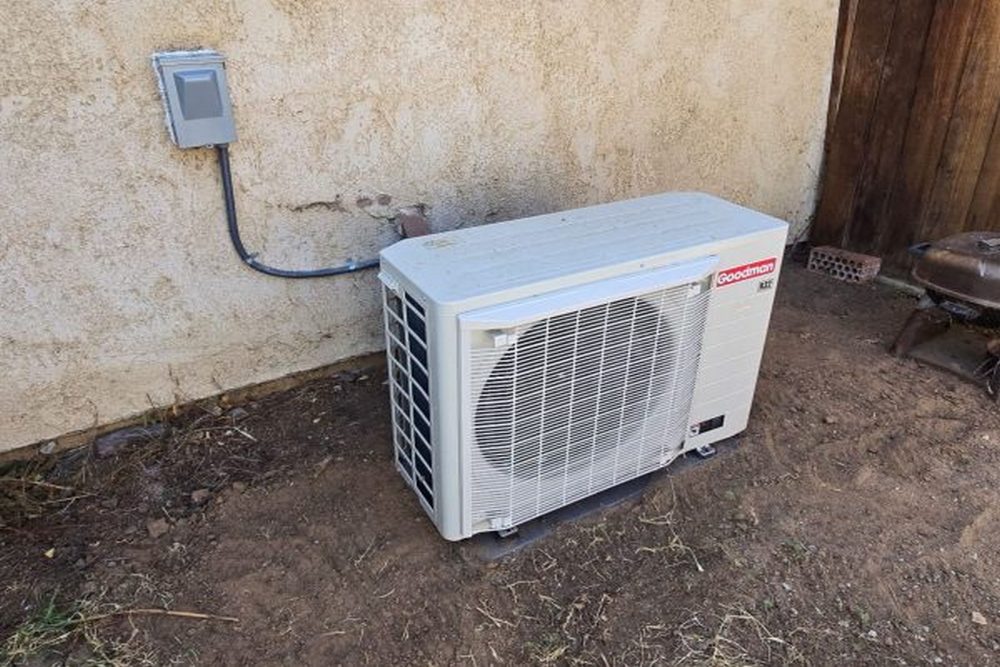
If your whole-house HVAC system is showing signs of declining performance, replacing it can provide meaningful benefits for your home and daily comfort. Modern HVAC systems are designed to deliver more consistent temperatures, improved airflow, better energy efficiency, and enhanced indoor air quality. A properly sized and professionally installed system can help eliminate many of the issues associated with aging equipment while supporting lower operating costs over time. Investing in a new HVAC system also allows you to take advantage of advancements in heating and cooling technology, contributing to a more comfortable and efficient living environment. By choosing California Showcase Construction for your HVAC installation project, you can enjoy improved indoor comfort, cleaner air circulation, and dependable heating and cooling performance that helps your home operate efficiently year after year. Their experienced team can help you select a system tailored to your home’s needs so you can enjoy lasting comfort and confidence in every season.