Southern California summers often bring long stretches of warm temperatures, making your air conditioning system work harder to maintain a comfortable indoor environment. While many homeowners focus on their HVAC equipment when cooling costs rise, your windows play an equally important role in regulating indoor temperatures. Aging windows can gradually lose their ability to keep heat outside, allowing warm air to enter your home and forcing your cooling system to run more frequently. If your windows are several decades old, they may no longer provide the level of insulation your home needs during peak summer months. Small issues such as worn seals, aging frames, and outdated glass technology can contribute to significant energy loss without being immediately noticeable. As temperatures climb, these hidden inefficiencies become more apparent through increased energy bills and reduced indoor comfort. Understanding the connection between aging windows and cooling costs can help you make informed decisions to support a more efficient, comfortable home throughout the hottest months of the year.
Older Windows Allow More Heat to Enter Your Living Space
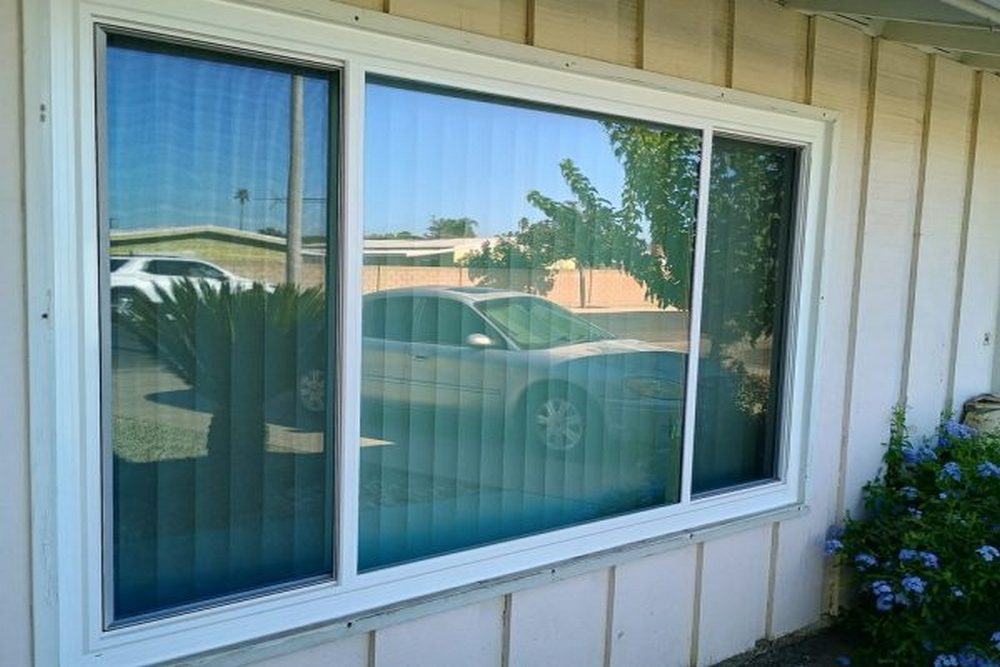
One of the primary reasons aging windows increase cooling costs is their reduced ability to block heat transfer. Older single-pane windows and outdated window designs often allow solar heat to penetrate your home more easily than modern energy-efficient alternatives. As sunlight passes through the glass, indoor temperatures rise, causing your air conditioner to work longer and more frequently to maintain your preferred thermostat setting. In addition to heat entering through the glass itself, older windows may develop gaps around frames or lose the tight seals that once prevented outside air from entering. Even small openings can allow warm outdoor air to infiltrate your living space throughout the day. As a result, rooms near windows may feel noticeably warmer than other areas of your home. This uneven temperature distribution can create discomfort and increase energy consumption as your cooling system struggles to compensate for the additional heat gain. During Southern California summers, these issues can have a substantial impact on your monthly utility expenses.
Drafts and Air Leaks Reduce Cooling Efficiency
As windows age, normal wear and exposure to the elements can weaken weatherstripping, seals, and frame components. These changes often create drafts that allow conditioned air to escape while permitting warm outdoor air to enter. Every time cooled air leaks from your home, your HVAC system must produce additional cooled air to replace it. This continuous cycle places unnecessary strain on your equipment and contributes to higher operating costs. Air leaks may occur around window sashes, frame joints, or areas where the window assembly meets the wall structure. While these openings may seem minor, they can collectively have a significant effect on your home’s energy performance. You may notice certain rooms never seem to stay cool, or you might feel warm air entering near windows during the afternoon. These are common indicators that aging windows are reducing your cooling system’s overall efficiency. Addressing these issues through window replacement can help create a tighter building envelope that supports better temperature control and lower energy consumption.
Modern Window Technology Helps Improve Energy Performance
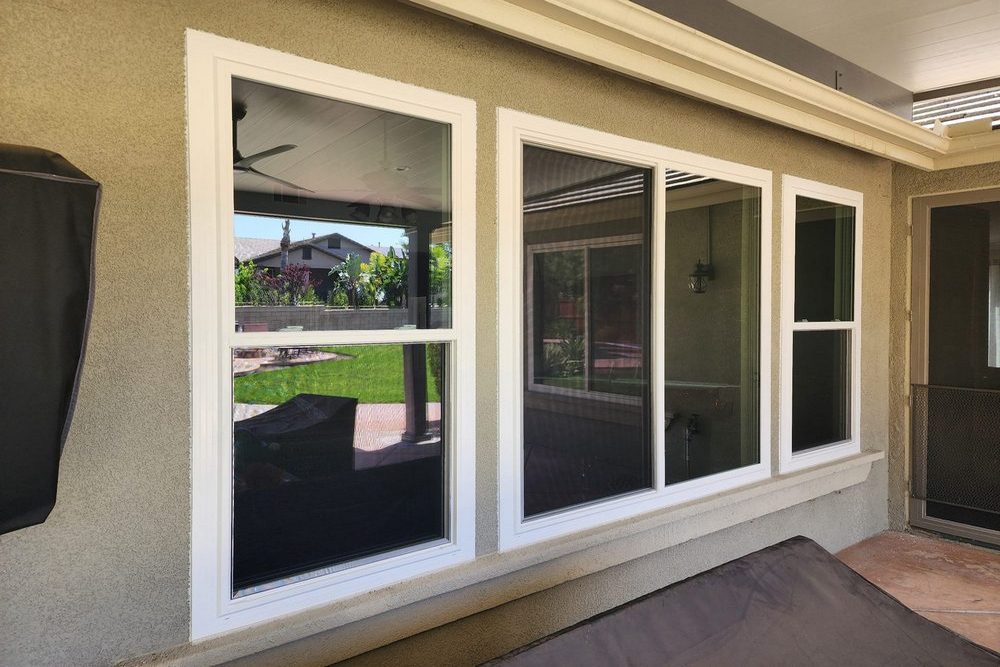
Today’s replacement windows are designed with features that help reduce heat transfer and improve overall energy efficiency. Advanced glass packages, low-emissivity coatings, multi-pane construction, and insulated frames work together to minimize the amount of solar heat entering your home. These improvements help maintain a more consistent indoor temperature while reducing the workload placed on your air conditioning system. In Southern California, where cooling demands remain high throughout much of the year, upgrading aging windows can contribute to measurable energy savings over time. Beyond lowering utility costs, modern windows can also improve indoor comfort by reducing hot spots near windows and minimizing drafts. Many homeowners also appreciate the added benefits of reduced outside noise, improved appearance, and enhanced property value. When your windows perform more effectively, your entire home benefits from improved efficiency and a more comfortable living environment regardless of outdoor conditions.
Investing in New Windows Supports Long-Term Comfort and Savings
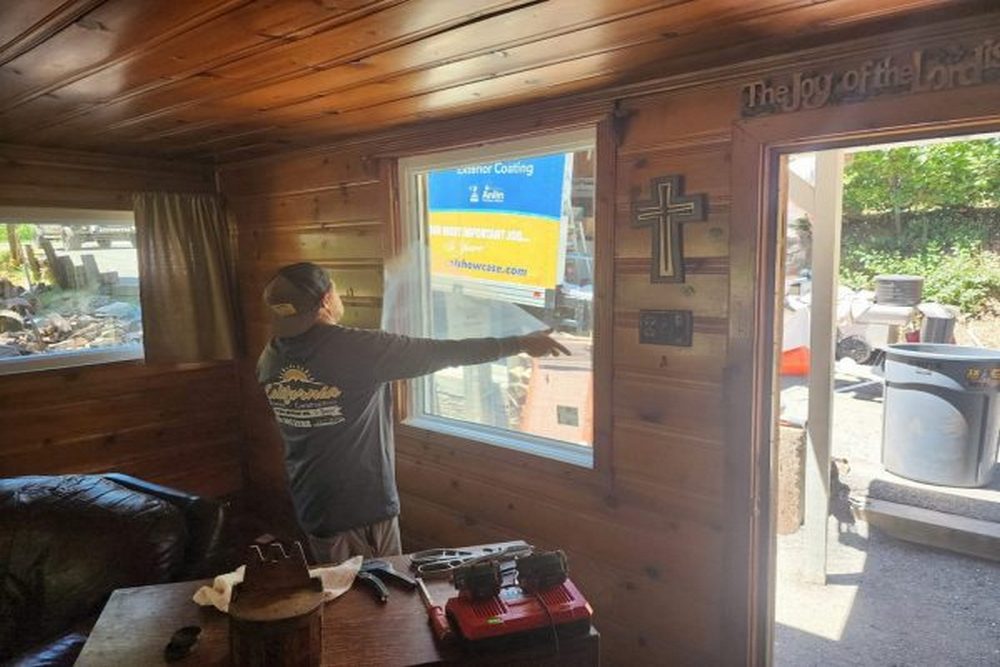
Replacing aging windows is more than an aesthetic improvement; it is an investment in your home’s energy performance, comfort, and long-term value. If you have noticed rising cooling costs, uneven temperatures, or signs of window deterioration, your windows may be contributing to the problem more than you realize. Modern replacement windows can help reduce heat gain, improve insulation, and support more efficient HVAC operation during Southern California’s hottest months. By choosing California Showcase Construction for your window replacement project, you can enjoy greater energy efficiency, enhanced indoor comfort, and dependable performance that helps keep your home cooler and more cost-effective season after season. Their experienced team can help you select window solutions designed to meet your home’s needs while supporting lasting comfort and savings for years to come.